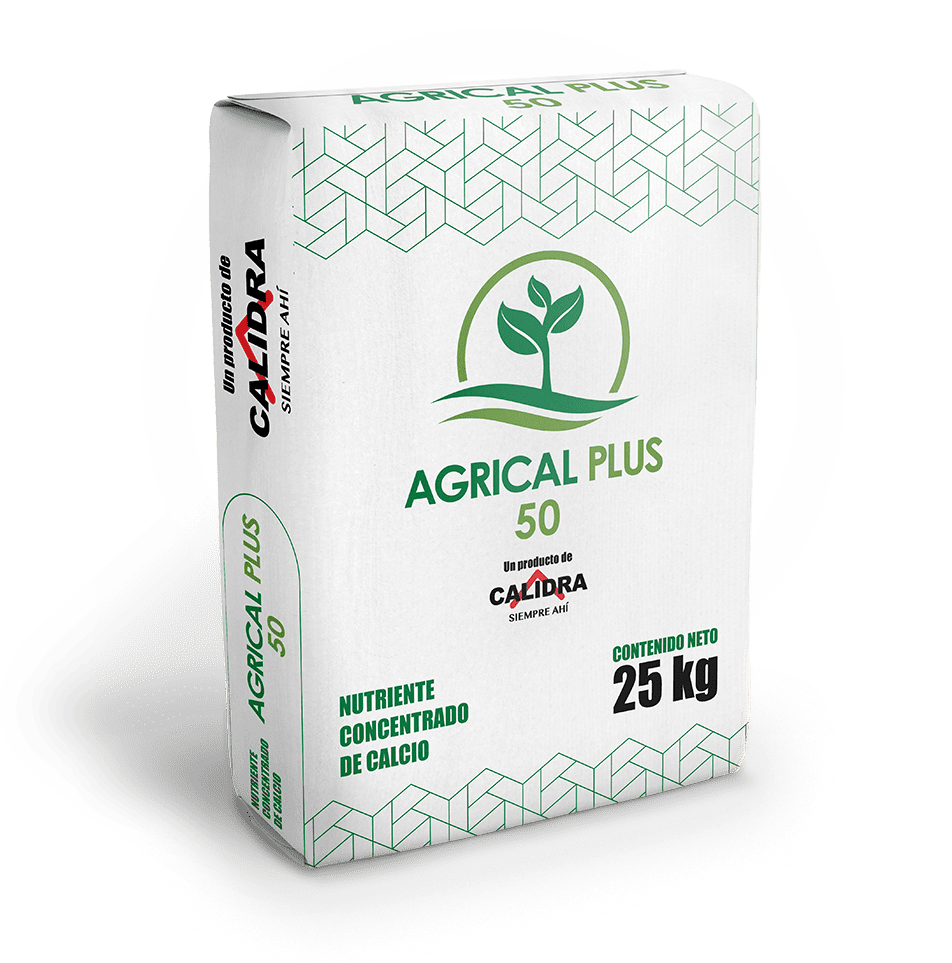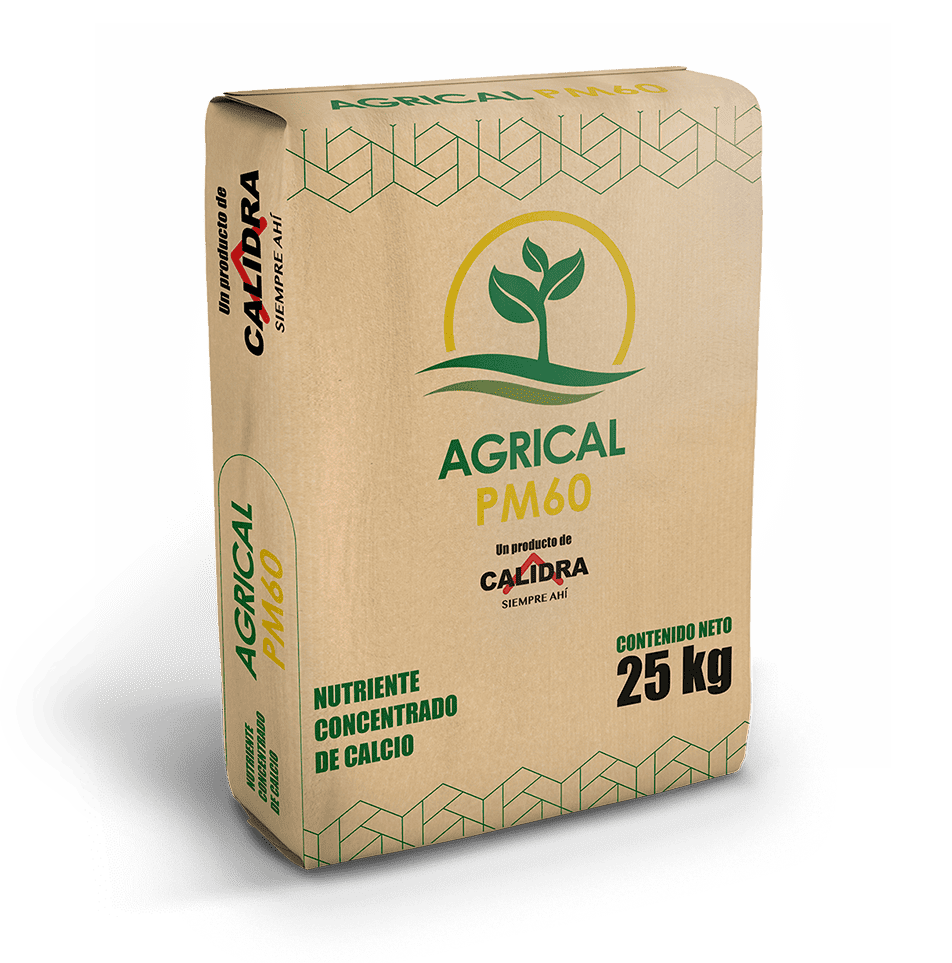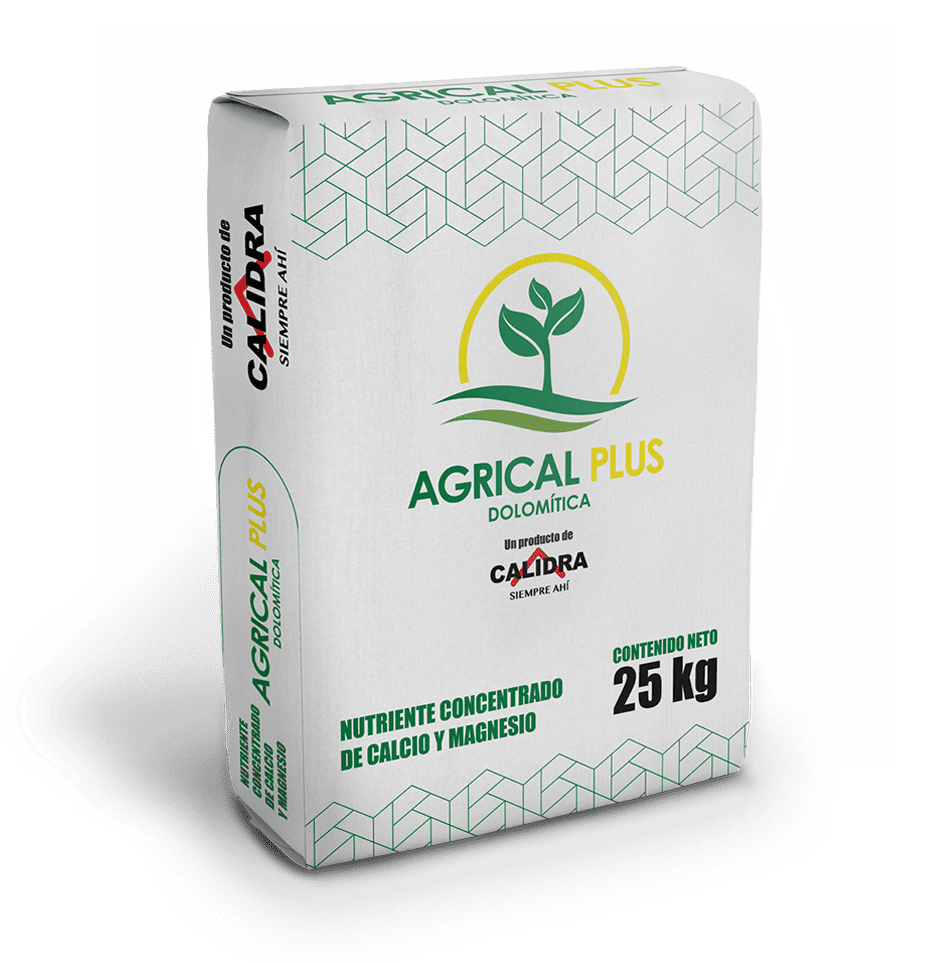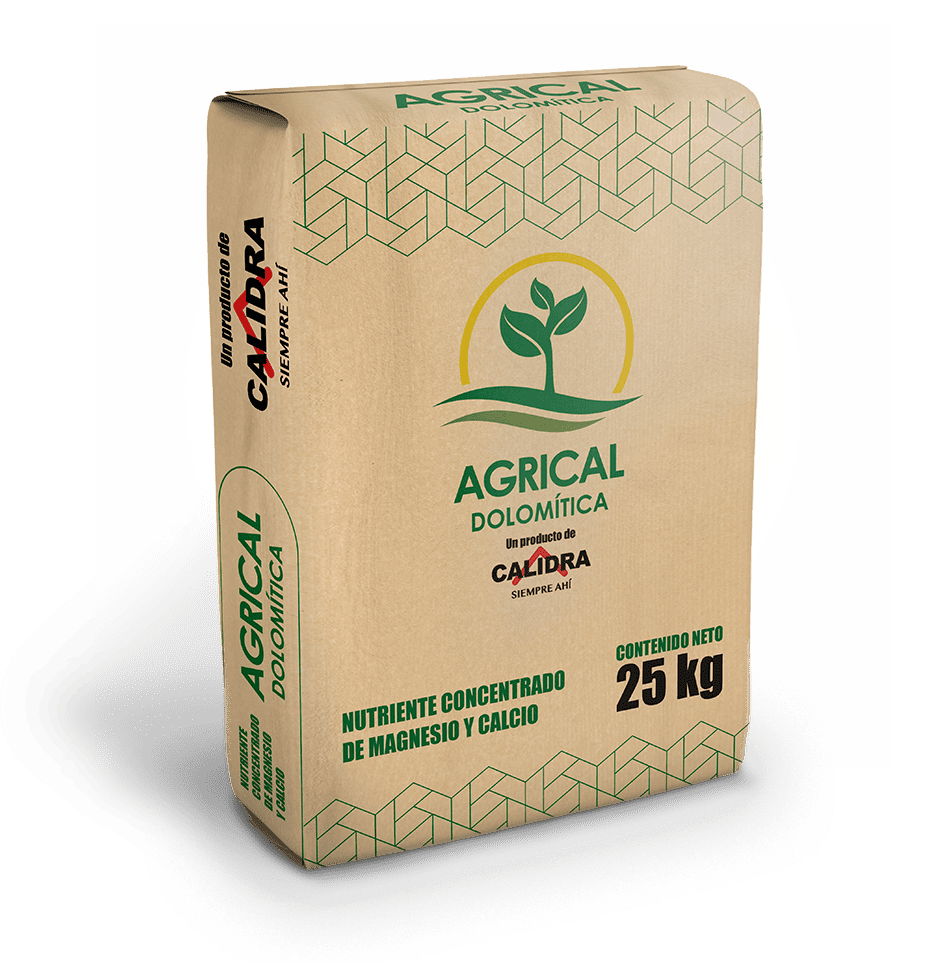
Agricultural Lime
for Soil and Crop Improvement
Specific lime for agricultural soil liming
The agricultural industry is fundamental to the country's development, making the maintenance of soil quality vital. In every planting cycle, soils are negatively affected by acid rain, excessive fertilizer use, or premature depletion. All of these factors acidify the soil and severely impoverish it. The use of lime as an agricultural amendment largely reverses this damage to cultivated soils.
LIME FOR AGRICULTURE
Lime in the agricultural sector is used for the neutralization of acidic soils and contributes calcium and magnesium to crops, with magnesium being an essential element in plants for chlorophyll production.
The liming of soils with agricultural lime, calcium carbonate, hydrated limes, dolomitic limes, or magnesium carbonate provides great benefits to agriculture.
Lime for the field has the capacity to neutralize acid compounds, restore the pH so that plants can absorb nutrients, and it also inhibits the proliferation of certain fungi, bacteria, and nematodes.
At the same time, agricultural lime inactivates the excess of iron, aluminum, and other undesirable elements in crops.
In compost production, lime provides calcium, facilitates decomposition, regulates pH, and also controls insects and unpleasant odors.


BENEFITS PROVIDED BY AGRICAL CALIDRA
The function of Agrical products is to improve and enrich agricultural soils, leading to soils that support excellent crop development.
· Helps neutralize soil acidity and boosts planting potential through its excellent fertilizing effect.
· Restores the pH of agricultural soils.
· Enhances growth by providing calcium and magnesium.
· Provides greater utilization of applied fertilizers.
· Offers better final crop yields by facilitating nutrient absorption.
· Improves soil structure, primarily in clay soils.
· Facilitates the absorption of irrigation or rainwater.
· Acts as an anti-parasitic agent.
LIME FOR CROP CULTIVATION
Agrical Calidra products are excellent because their specialty is improving crops, primarily including:
· Avocado
· Berries
· Agave
· Sugar Cane
· Broccoli
· Corn (Maize)
· Pineapple
· Fruit Trees such as mango, papaya, and banana.
· Vegetables such as chili, onions, potatoes, and tomatoes.

Projects
Our Projects Department applies its knowledge and experience to design innovative proposals that adapt to our clients' economic conditions.
Contact our advisors.
Calidra products used in the Agricultural industry